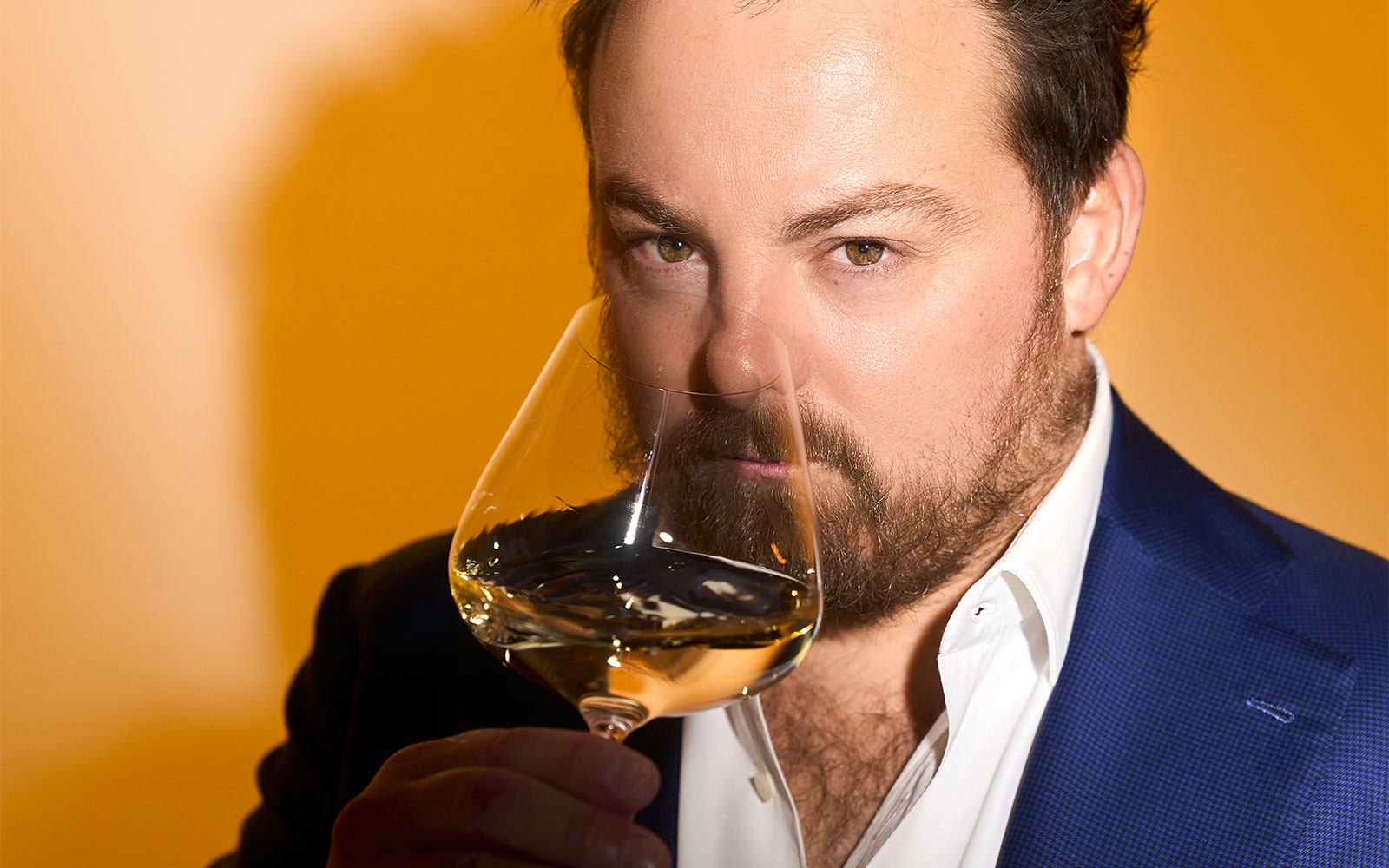
A professional background rooted in a deep understanding of corporate production processes, developed through the design of office equipped walls, individual furnishings, and integrated systems. An intuitive ability to transform experience into a simple, effective methodology that adapts today to interventions of varying scope and complexity. The cultivation of corporate image as a strategic driver for growth and communication.
We met with architect Paolo Pampanoni of the D+A studio, based in Petrignano di Assisi, the designer behind the recent renovation of CIAM’s headquarters in Umbria. Together, we explored a universe that speaks diverse languages, answers multifaceted needs, and is guided by a single core principle: “Every design choice is aimed at achieving a specific performance—whether functional, technical, aesthetic, or economic.”
Architect Pampanoni, tell us about the renovation project for the CIAM spaces: what needs and objectives did it address?
The primary objective was to set a new functional and qualitative standard for the spaces involved in the project, adapting them specifically to the dynamic operational flows of modern offices, which are heavily shaped by technology.
It was an intervention undeniably marked by a heightened sensitivity toward employee well-being—from lighting and acoustics to microclimate and posture.
Finally, less obvious but equally vital, we addressed a communication goal. A company that takes care of its people, and the spaces where they move, demonstrates the level of quality and dedication it will presumably extend to every potential client.
In terms of spatial distribution, what were the most significant actions taken?
D+A applied its characteristic analytical approach aimed at defining CIAM's strategic, operational, and spatial needs in order to give structure to the layout.
The synthesis of objective analysis and adherence to corporate identity guidelines resulted in a project that expanded workspace area while stripping away the superfluous to focus on true performance. It was a significant intervention that yielded balanced environments: open-plan areas, private offices, meeting spaces, phone booths, and acoustic corridors.
The layout scheme was then structured around differentiated and controlled access paths to ensure the level of privacy the company requires.
Let’s look more closely at the interventions aimed at worker well-being.
Our consolidated experience in workspace design has shown that providing a high-performance environment builds genuine loyalty among team members, who are fundamentally a company’s primary asset. Through a client-centered, non-self-referential design approach, we strive to ensure the necessary well-being to protect and enhance human capital.
For instance: proper separation between meeting spaces and operational areas; highly sound-absorbing acoustic corridors; dedicated phone booths for calls and focused solo work; height-adjustable workstations allowing people to work standing up; and small break areas integrated within the operational zones. All of this helps boost productivity while reducing physical and mental stress.
Moving from human well-being to sustainable design: what is your vision for the future?
My concept of sustainability can be explained by breaking down the word itself. Sustain is the piano pedal that extends the resonance of a note; ability is the skill with which we produce, build, and design. Looking to the future, we must have the ability to make products with long lifespans, interchangeable parts, and recyclable materials.
It is a demanding challenge, but I believe the future depends heavily on choices made at the foundation. We try to practice this directly: beyond spatial design, at D+A we design products such as glass partition walls, furniture systems, upholstered seating, and lighting fixtures. Today more than ever, we focus on material selection—recycled and recyclable—and, above all, on end-of-life logic to ensure that every single part can be effectively recovered.
Beyond your shared roots in Umbria, what united CIAM and D+A in such a complex and ambitious project?
I believe both our organizations share a commitment to highlighting local talent and investing in the region to export our expertise nationwide and globally. This generates local industry, professional growth, and culture.
In Federico Malizia, I have always recognized an entrepreneur driven to pursue excellence and innovation—an objective I share, using different tools and skill sets.